Compare Local Contractors for Residential Demolition Services
Compare local contractors for residential demolition to clarify scope, verify experience, and establish clear expectations, ensuring a smooth and well-managed project.
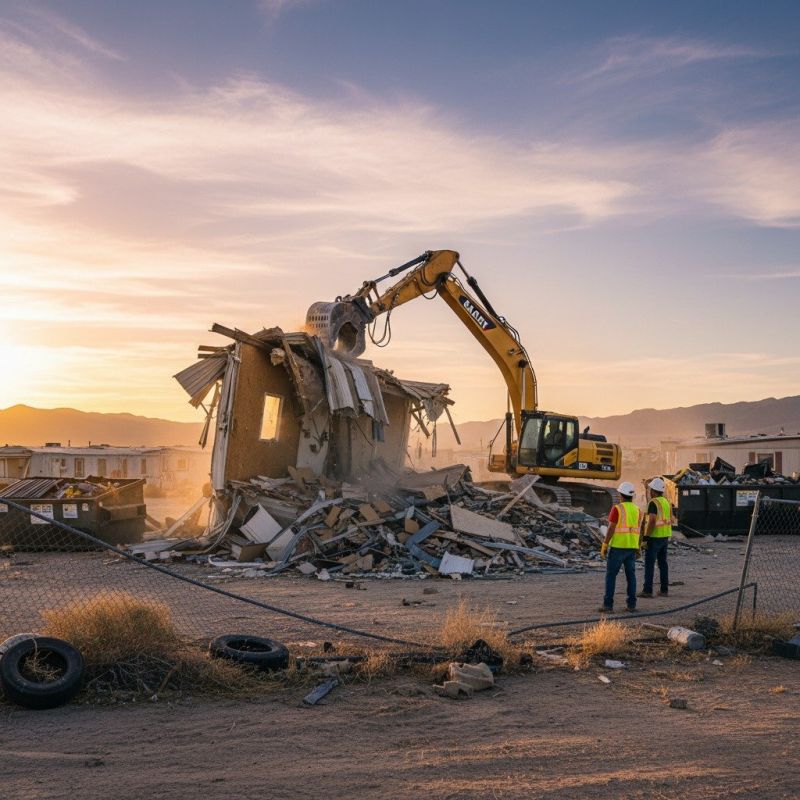
Residential demolition services typically encompass the careful removal of structures such as homes, garages, sheds, or other built features on a property. These projects often involve tearing down existing buildings, clearing debris, and preparing the site for future construction or landscaping. The scope of work can vary widely depending on the size and complexity of the structure, as well as any additional tasks like removing foundations, utility disconnections, or site grading. Understanding exactly what a contractor will handle helps property owners ensure the project aligns with their goals and prevents misunderstandings down the line.
Defining the scope of residential demolition work is a critical step in selecting a service provider. Clear communication about what is included - such as the removal of specific structures, debris disposal, and site cleanup - helps establish expectations and creates a basis for any future agreements. Detailed scope definitions also assist in verifying whether a contractor has relevant experience with similar projects, which can influence the quality and safety of the work. Taking the time to outline these details in writing can serve as a reference point and help avoid surprises or scope creep as the project progresses.
When comparing local contractors for residential demolition, property owners should consider their experience with similar projects, the range of services offered, and the clarity of their proposals. Gathering information about each contractor’s background can provide insight into their familiarity with local regulations and site conditions. It’s also helpful to review how contractors communicate scope and expectations in their written proposals or estimates. By focusing on these practical aspects, property owners can make informed decisions, ensuring they choose service providers capable of meeting their specific project needs with professionalism and reliability.
Compare local contractors by outlining your project priorities, verifying experience, and setting clear expectations in writing.
- Define the Scope of Demolition - clearly outline the specific areas and structures to be demolished to ensure accurate contractor comparisons.
- Verify Experience and References - review the background and past projects of local contractors to assess their expertise.
- Compare Qualifications and Services - evaluate the services offered by different service providers to match project needs.
- Document Expectations in Writing - establish and confirm project details, responsibilities, and deliverables through written agreements.

Clearly describe your residential demolition project to help compare contractors, verify experience, and set expectations in writing.
- Verify experience and references for residential demolition projects to ensure a contractor’s expertise aligns with the scope of work. - Consider how contractors define and document the scope of demolition to avoid misunderstandings later.
- Assess the contractor’s knowledge of local regulations and permits required for residential demolition. - Ensure service providers are familiar with necessary permits and compliance requirements in the area.
- Check that contractors have proper insurance coverage to protect against potential liabilities during demolition. - Confirm that local contractors maintain appropriate insurance to mitigate risks on the job site.
- Review written contracts that clearly specify the scope, expectations, and responsibilities of all parties involved. - Make sure all project details and expectations are documented to prevent disputes.
- Compare multiple service providers to evaluate their experience, reputation, and scope of services offered. - Use comparison to identify the most suitable local contractors for the demolition project.
- Discuss site-specific considerations such as utility disconnections and debris removal procedures with potential contractors. - Clarify how contractors handle site preparation and cleanup to align with project expectations.
Use this to compare local contractors, clarify project scope, verify experience, and set clear expectations.
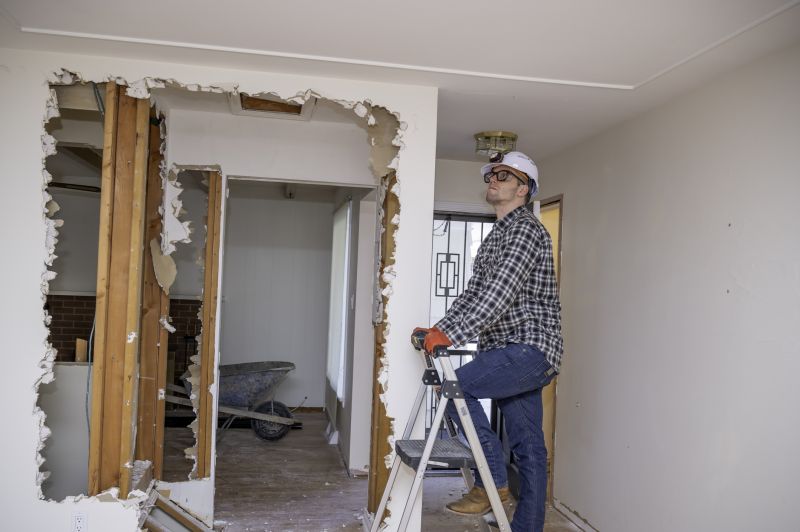

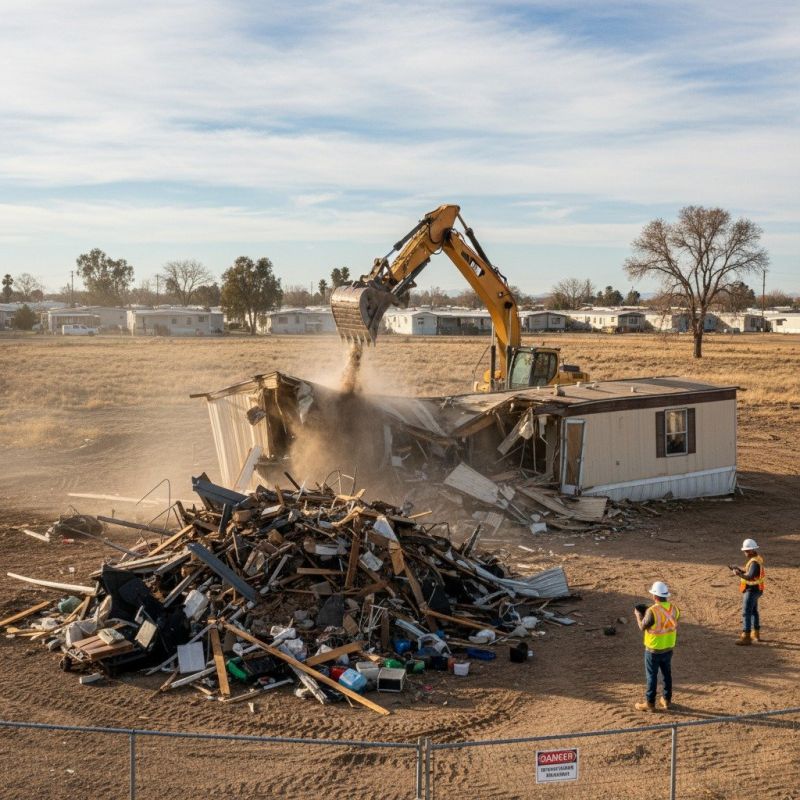
This scope builder helps you compare local contractors for residential demolition by defining work, verifying experience, and setting clear expectations.
- Scope Definition - Clearly outline the extent of demolition work required for the residential property.
- Experience Verification - Confirm that the service providers have relevant experience in residential demolition projects.
- Equipment and Methods - Specify the types of tools and techniques that will be used during demolition.
- Site Preparation and Cleanup - Detail the responsibilities for preparing the site and removing debris after demolition.
- Written Agreement - Ensure all scope details and expectations are documented in a formal contract with the service providers.
When evaluating contractors for residential demolition, it’s essential to consider their experience with similar projects. Homeowners should inquire about how long a service provider has been handling demolitions comparable in scope and complexity. Contractors with a proven track record in residential demolition are more likely to understand the nuances of safely and efficiently tearing down structures similar to the one in question. Reviewing their portfolio or requesting references related to comparable projects can provide insight into their familiarity with the specific challenges and requirements that may arise during the process.
A clear, detailed written scope of work is crucial to ensuring both parties have aligned expectations. Homeowners should seek contractors who can provide a comprehensive outline of the demolition process, including the steps involved, materials to be removed, and any site-specific considerations. This documentation helps prevent misunderstandings and provides a basis for evaluating whether the contractor’s approach aligns with the project’s needs. A well-defined scope also serves as a reference point for future discussions and adjustments, fostering transparency throughout the project.
Verification of a contractor’s basic credentials involves checking their background, reputation, and references. Homeowners are encouraged to verify the contractor’s experience by speaking with previous clients or reviewing any available project summaries. It’s also beneficial to confirm that the contractor has the necessary insurance coverage and adheres to local regulations, even if licensing specifics are not discussed. Gathering this information helps to establish the reliability and professionalism of potential service providers, reducing the risk of encountering issues during or after the demolition process.
When comparing options among local contractors, homeowners should focus on the consistency and clarity of communication, the level of detail in their proposals, and the quality of references or reviews. Evaluating how well each contractor understands the project scope and their ability to articulate their approach can be indicative of their professionalism. It’s also helpful to consider how responsive and transparent each service provider is during initial discussions. By concentrating on these factors, homeowners can make informed decisions that align with their project’s needs and ensure a smooth demolition experience.
Ask contractors to provide written scope details to ensure clear expectations and consistent project understanding.
- Experience and References - What experience do the local contractors have with residential demolition projects similar to yours?
- Scope of Work - How clearly do the service providers define the scope of the demolition work and what is included?
- Permits and Regulations - Do the contractors clarify which permits are required and how they plan to handle compliance?
- Project Expectations - How do the local contractors outline the project process and set expectations in writing?
- Comparison of Services - What specific services and methods do different service providers recommend for your demolition needs?
How can I compare residential demolition contractors? Comparing local service providers involves reviewing their experience, scope of services, and reputation to ensure they meet project requirements and expectations.
What should I consider when defining the scope of demolition work? Clearly outlining the areas to be demolished, any hazardous materials, and debris removal needs helps contractors provide accurate assessments and plan accordingly.
How do I verify a contractor's experience with residential demolition? Request information about past projects, references, and the types of structures they have successfully demolished to gauge their expertise and reliability.
Why is it important to have a written agreement with a demolition contractor? A detailed written contract helps set clear expectations, defines the scope of work, and provides a record of agreed-upon responsibilities.
What questions should I ask a contractor before hiring for demolition work? Inquire about their experience, safety practices, permit handling, and how they plan to manage debris and site cleanup after demolition.
How can I ensure a contractor is suitable for my residential demolition project? Evaluate their qualifications, review references, verify their understanding of project scope, and confirm they follow local regulations and standards.
This page has provided an overview of what to consider when choosing contractors for residential demolition projects. Visitors learned how to define the scope of work, verify the experience of service providers, and set clear expectations through written agreements. These steps can help ensure the process aligns with individual needs and project goals.
To explore options and find the right contractor for the job, using the quote form can help compare local service providers efficiently. Connecting with experienced contractors through this process can support making informed decisions tailored to specific demolition requirements.